What is computational thinking? How does it fit into the BC Curriculum? How does it fit into 21st century learning? #6
What is Computational Thinking?
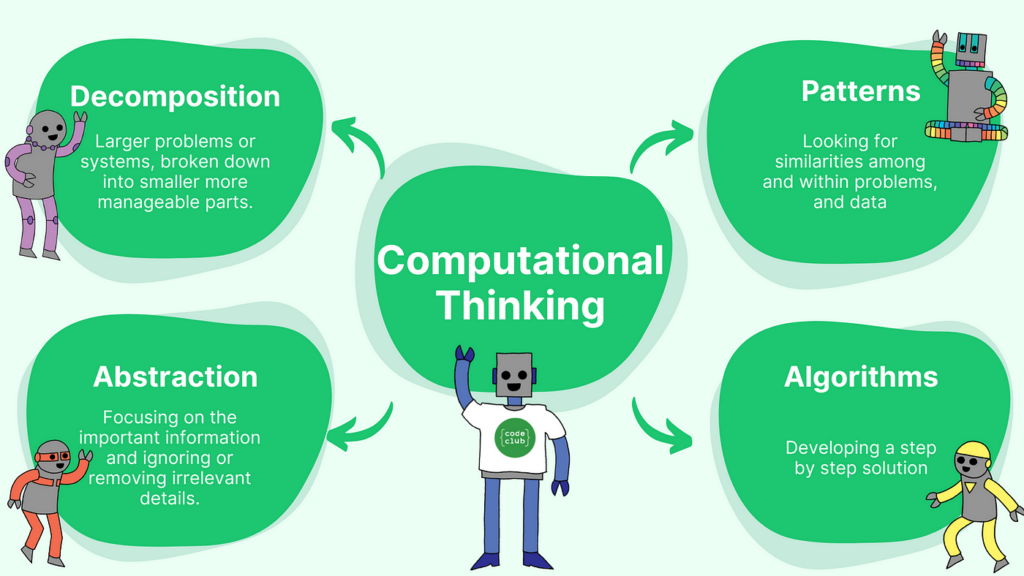
Photo by jaro education

Computational thinking is a way of solving problems by thinking logically and creatively. This concept breaks bigger problems into smaller steps, noticing patterns, and making clear plans to solve them. For example, planning a group project would involve splitting tasks, figuring out what comes first, and making a step-by-step plan. That is computational thinking in action. It helps you stay organized and think clearly.
How Does It Fit Into the BC Curriculum?

In the BC Curriculum, Computational thinking is part of many subjects, not just technology classes. In Applied Design, Skills, and Technologies (ADST), students might design a game or a simple app. Which means they need to plan, test their ideas, and solve problems step by step.
It also appears in math, science, and even language arts. For example, you might use it to organize research for an essay, figure out patterns in data, or plan a science experiment. The curriculum focuses on skills like critical thinking, creative thinking, and problem-solving. Computational thinking helps students practice all of these in real, hands-on ways.
How Does It Fit Into 21st Century Learning?

Computational thinking is a large part of 21st-century learning. In today’s world, technology is everywhere, and students are required to understand how systems work and how to solve problems using logic and creativity. It helps students become adaptable, innovative, and confident in tackling new challenges while supporting collaboration and teaching students to learn from their mistakes.
My Thoughts.
I think Computational thinking is a really important skill for students to learn because it connects to everyday life and promotes critical thinking skills. I appreciate that the BC Curriculum includes this concept in many subjects and allows students the opportunity to think deeply and creatively.